


Introducción a las máquinas de ECG
-
 2023-05-01
-
LEPU


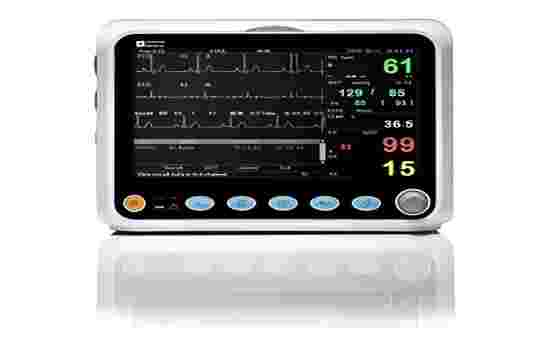
La máquina de ECG del hospital es instrumentos especializados usados para registrar ECG. Hay máquinas de ECG de un solo cable y máquinas de ECG de múltiples cables, con la capacidad de registrar simultáneamente hasta 12 cables. Los métodos de control y conmutación de cables varían, con máquinas de ECG analógicas manuales y máquinas de ECG digitales controladas por computadora disponibles.
¿Cuándo se inventaron las máquinas de ECG?
La pregunta de quién descubrió la máquina de ECG es una de las que mucha gente siente curiosidad.
Hoy hace 154 años, el 21 de mayo de 1860 (el primer día del cuarto mes lunar), nació el inventor de la máquina de ECG, Willem Einthoven.
Einthoven (1860-1927) was a Dutch physiologist. He was born in Java to a military doctor, and in 1879 started studying at the University of Utrecht's medical school. He earned his doctorate in medicine in 1885, and the following year was appointed professor of physiology at Leiden University. He later became a member of the Royal Netherlands Academy of Arts and Sciences.
En 1895, Einthoven comenzó a investigar las corrientes eléctricas de acción del corazón, basándose en el trabajo del fisiólogo británico A.D. Waller. Mejoró el galvanómetro de cuerda inventado por De Sénarmont utilizando un fino hilo de cuarzo recubierto de plata con un diámetro de 0.002 milímetros para registrar corrientes eléctricas cardíacas y sonidos mientras superaba las limitaciones de los instrumentos anteriores.
En 1903, Einthoven estableció la unidad de medida estándar para los ECG: un milivoltio de diferencia de potencial eléctrico representado por la desviación de onda de un centímetro en el eje vertical y el movimiento de 0,4 segundos en el eje horizontal. También usó letras como P, Q, R, S y T para etiquetar las ondas en los ECG y creó tres cables estándar utilizando electrodos colocados en ambas manos y el pie izquierdo (que todavía se usan hoy).
In 1912, Einthoven studied the normal range of variations in ECGs and proposed the theory of "Einthoven's triangle."
En reconocimiento a su investigación sobre los mecanismos de los ECG y su invención del registrador de ECG, Einthoven fue galardonado con el Premio Nobel de Fisiología o Medicina en 1924.
¿Cómo usar la máquina de ECG?
Al usar una máquina de ECG, es importante conocer las precauciones e instrucciones de uso y usar la máquina correctamente.
Los pasos de funcionamiento para una máquina de ECG son los siguientes:
1. Verify patient information, explain the procedures and precautions to the patient, obtain the patient's cooperation.
2. Properly connect the power cord, turn on the machine, check its performance, ensure that ECG paper is loaded correctly, and enter the patient's information accurately.
3. Expose the patient's inner wrists, ankles, and chest, observe for metal objects or skin conditions, and wipe the upper inner wrist and upper ankle with a cotton swab soaked in saline solution. Pay attention to keeping the patient warm and respecting their privacy.
4. Conecte los electrodos de la extremidad de plomo y el pecho según las instrucciones.
5. Verify the patient information again, wait until the ECG waveform is stable without interference, record the ECG waveform, and press the "START" button to print the ECG graph.
6. After printing is complete, turn off the machine, and verify the patient's information once more.
7. Remove the electrodes from the patient's body, wipe the skin, and pay attention to any skin conditions that may require special attention.
Después de usar la máquina, apague la alimentación, limpie el equipo y complete los formularios de registro de uso del equipo.
Coste de la máquina de ECG
ECG machines are available for home and medical use. Portable home-use machines typically cost around $100-$300, but prices may vary depending on brand. Dynamic ECG machines for medical use require a computer, analysis software, and a recording box, and typically cost between $10,000 and $20,000. These machines record all of a patient's cardiac activity over a 24-hour period, and are used to diagnose angina and arrhythmia, and determine the effectiveness of treatments.