


¿Qué es un Embolic Coil?
-
 2021-08-30
-
LEPU


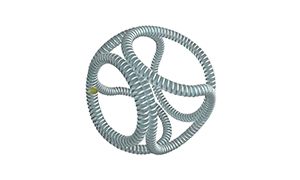
La embolización con bobina describe un procedimiento quirúrgico mínimamente invasivo para tratar aneurismas cerebrales y fistula. A través de un catéter insertado en la ingle, se guía una pequeña espiral hacia el cerebro y se separa del catéter para evitar el flujo de sangre al aneurisma o la fístula. Una o más bobinas de platino se dejan en su lugar para evitar que el aneurisma se rompa. La reducción del flujo de sangre al cerebro puede afectar la visión binocular.
1. During operating the Bobina embólica, the femoral artery was touched at the place passing through the groin.
Neuroradiologists or neurosurgeons usually perform this operation in a hospital setting. The surgeon makes a small incision in the groin to access the femoral artery. The doctor uses dye to make the aneurysm visible in the computer image, and then passes the catheter through the artery. Once the aneurysm is close to the aneurysm, the surgeon releases the Bobina embólica from the catheter. The body creates blood clots around the coil, blocking blood flow.
Un aneurisma representa una protuberancia o pared de la arteria sacular en un paciente débil. Las protuberancias pueden ejercer presión sobre los tejidos y los nervios en el cerebro, causando parálisis o ruptura, lo que lleva a un accidente cerebrovascular o la muerte. Las bobinas de embolización se pueden usar como medida preventiva después o antes de que se rompa el aneurisma.
2. Neck pain when Bobina embólica is used may be a sign of aneurysm
Symptoms of aneurysm include headache, nausea or vomiting, upper back and neck pain. When these symptoms are present, doctors usually perform imaging tests to determine whether there is an aneurysm. When the patient cannot undergo brain surgery to prevent rupture, it is usually recommended to use Embolización de bobinas desmontables.
Un aneurisma representa una protuberancia o vesícula en la pared débil de una arteria. La fístula define las venas y arterias y reduce el suministro de sangre rica en oxígeno al cerebro. Estas brechas anormales generalmente causan presión ocular, que es un síntoma importante del glaucoma. Algunas fístulas pueden causar diplopía, dolor y sonidos anormales en los oídos, como zumbidos.
If an aneurysm mass is large or appears at the base of the skull, balloon occlusion may play a role. This is another option when embolization coils cannot be performed due to the size or location of the aneurysm. This operation uses an inflated balloon to restrict blood flow. The procedure is similar to the detachable coil embolization of the femoral artery cannula. The risk of this operation is considered low, but a stroke may occur during the embolization of the coil, the patient's legs or arms may be weak, and language and vision problems may also occur.
3. bobina embólica para el tratamiento de aneurismas cerebrales
Los neurocirujanos pueden utilizar imágenes del cerebro para localizar fístula y aneurismas en el cerebro. Después de la colocación, el paciente permanece acostado durante 8 horas o más para permitir que la arteria femoral sane. Por lo general, regresan a casa después de uno o dos días. Unos meses más tarde, se puede realizar una angiografía para determinar si la bobina de embolización todavía está en su lugar. Los neurocirujanos generalmente realizan la embolización de bobina desmontable para tratar aneurismas cerebrales.